
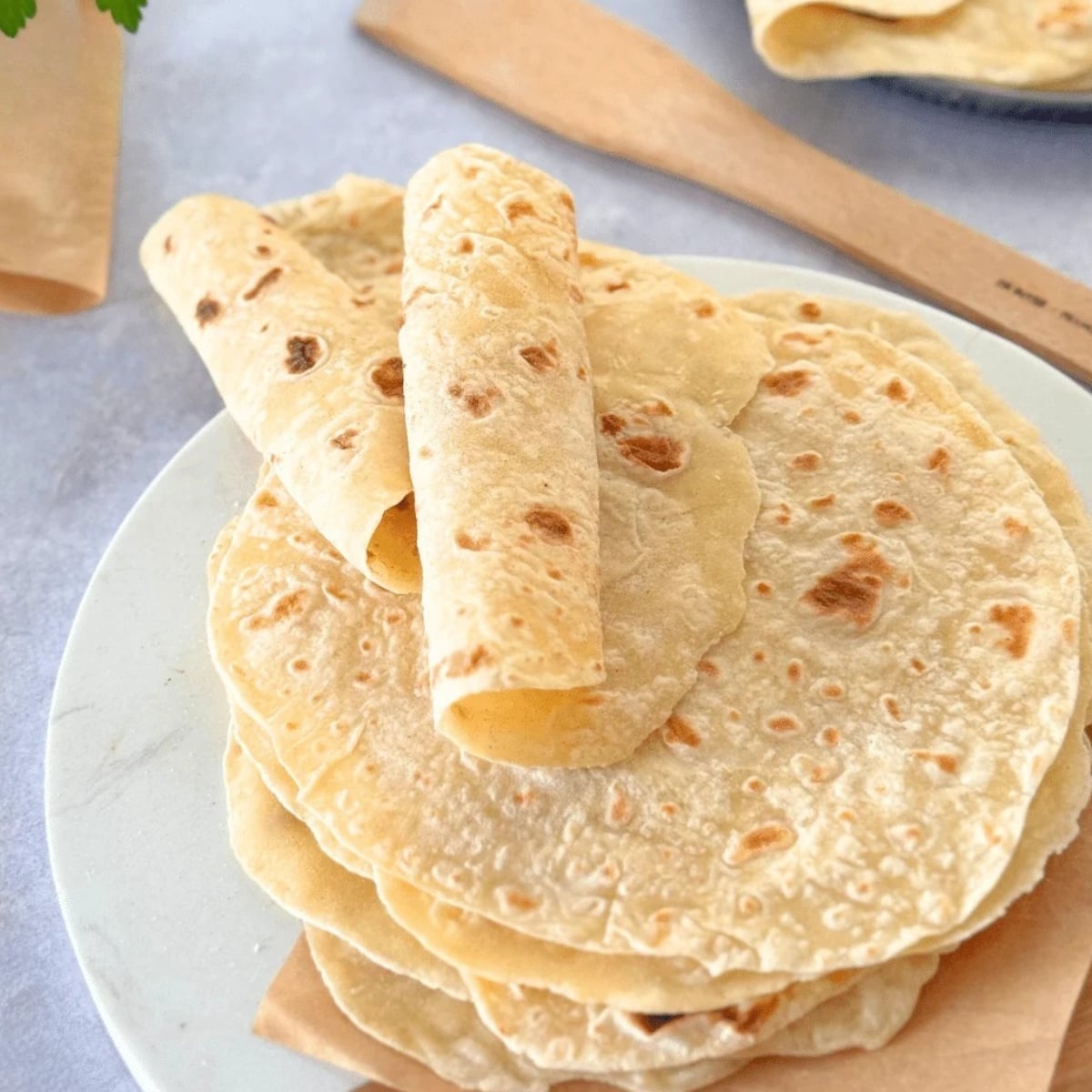
These Cottage Cheese Flatbreads are made with just two ingredients: cottage cheese and all-purpose flour (not self-rising). Use them as wraps, enjoy them with dips or eat them warm straight from the pan. No eggs, no yeast.
Any cottage cheese works
I tested this recipe separately with full-fat, low-fat and fat-free cottage cheese. All three worked well, so use whichever one you have or prefer.
- Mash the cottage cheese with a fork to break down the larger curds. It doesn’t need to be completely smooth, just soft enough to mix easily into the flour.
- If the cottage cheese is very watery, with curds floating in liquid or liquid dripping from the spoon, pour off 1–2 teaspoons before mashing.
- Don’t substitute cream cheese; it is too thick and dry for this dough
Visual instructions
These visual instructions help you see the process. You can also find the full printable recipe with instructions and ingredients at the end of the post.
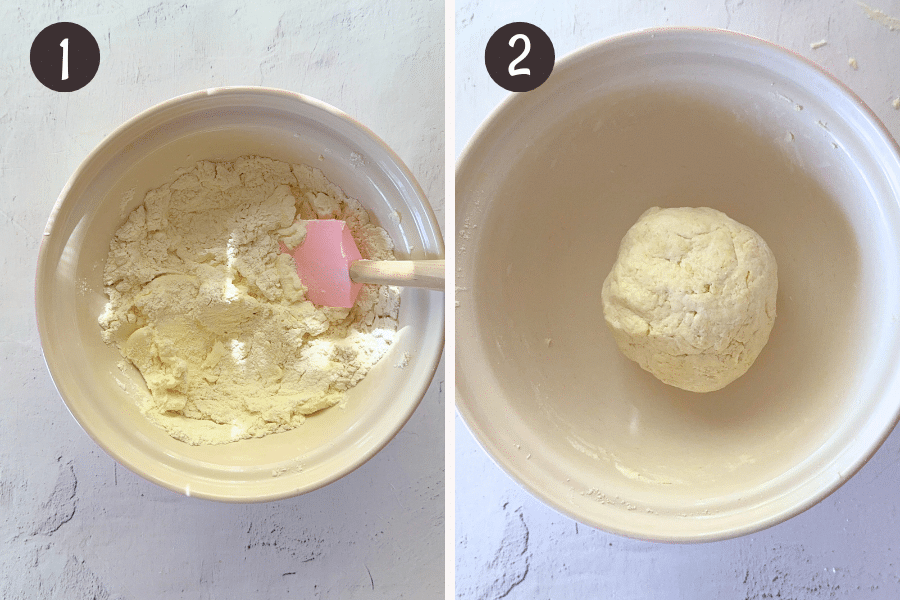
- Add the mashed cottage cheese, flour and salt, if using, to a large bowl. Stir until a shaggy dough forms. It may look dry at first; this is normal.
- Knead the dough in the bowl for 3–4 minutes. Don’t worry if it looks dry and the flour doesn’t mix in immediately. Keep gathering and pressing the mixture together; the cottage cheese will gradually work into the flour and form a soft, smooth dough.
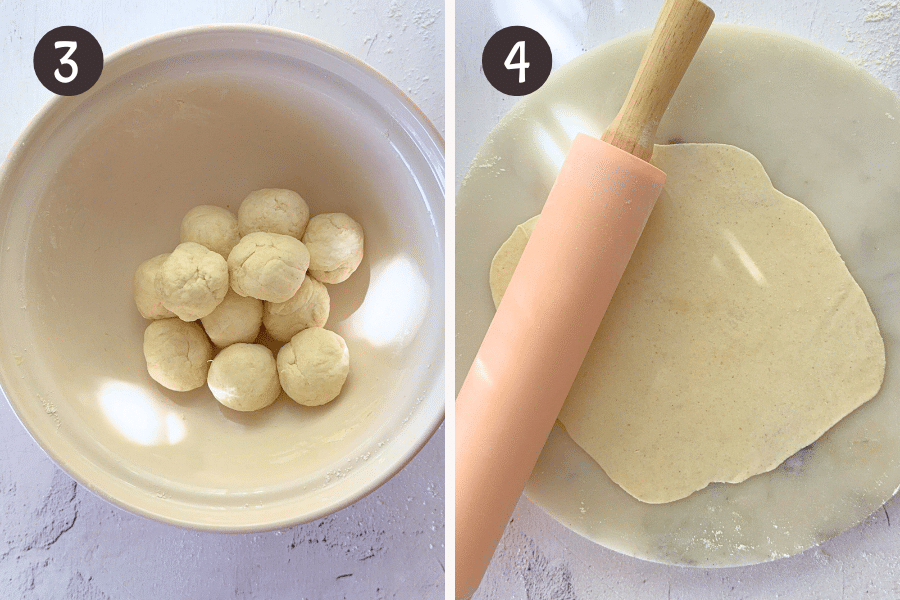
- Divide the dough into 12 equal pieces, about 40 g each, and shape each piece into a ball.
- Flatten each dough ball, then roll it into a 7–8 inch (18–20 cm) circle, about ⅛ inch (2–3 mm) thick. Lightly flour the work surface as needed to prevent sticking.
And if your ‘circle’ ends up looking more like a wonky oval or a weird little cloud like mine 😂, don’t worry, they still cook up perfectly delicious.
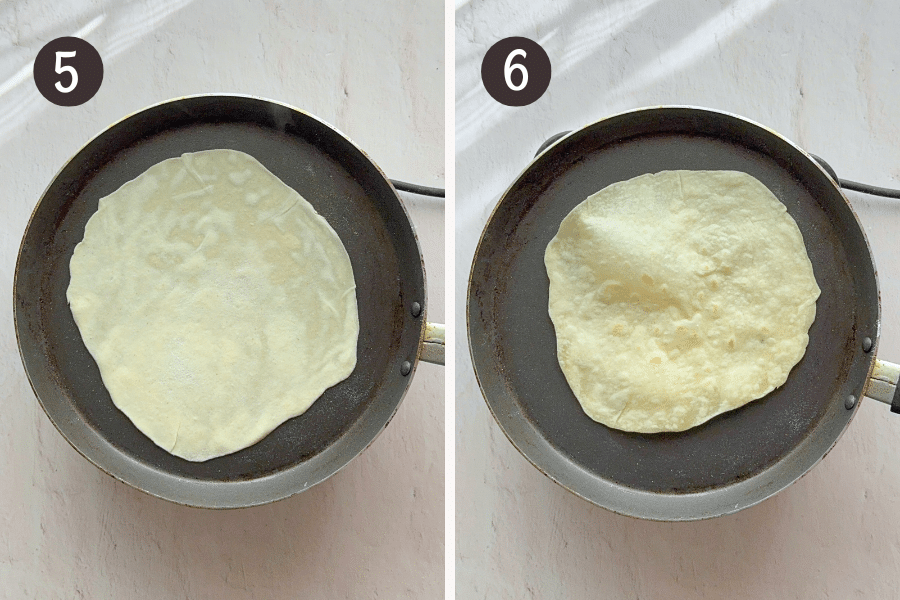
- Heat a dry nonstick or cast-iron skillet over medium heat. Place one rolled flatbread in the hot pan and cook until bubbles form and light brown spots appear underneath, about 15–20 seconds.
- Flip and cook for another 15–20 seconds, until cooked through. Transfer to a plate and cover with a double layer of paper towels or a clean kitchen towel. Continue cooking and stacking the remaining flatbreads, keeping them covered so they stay soft.
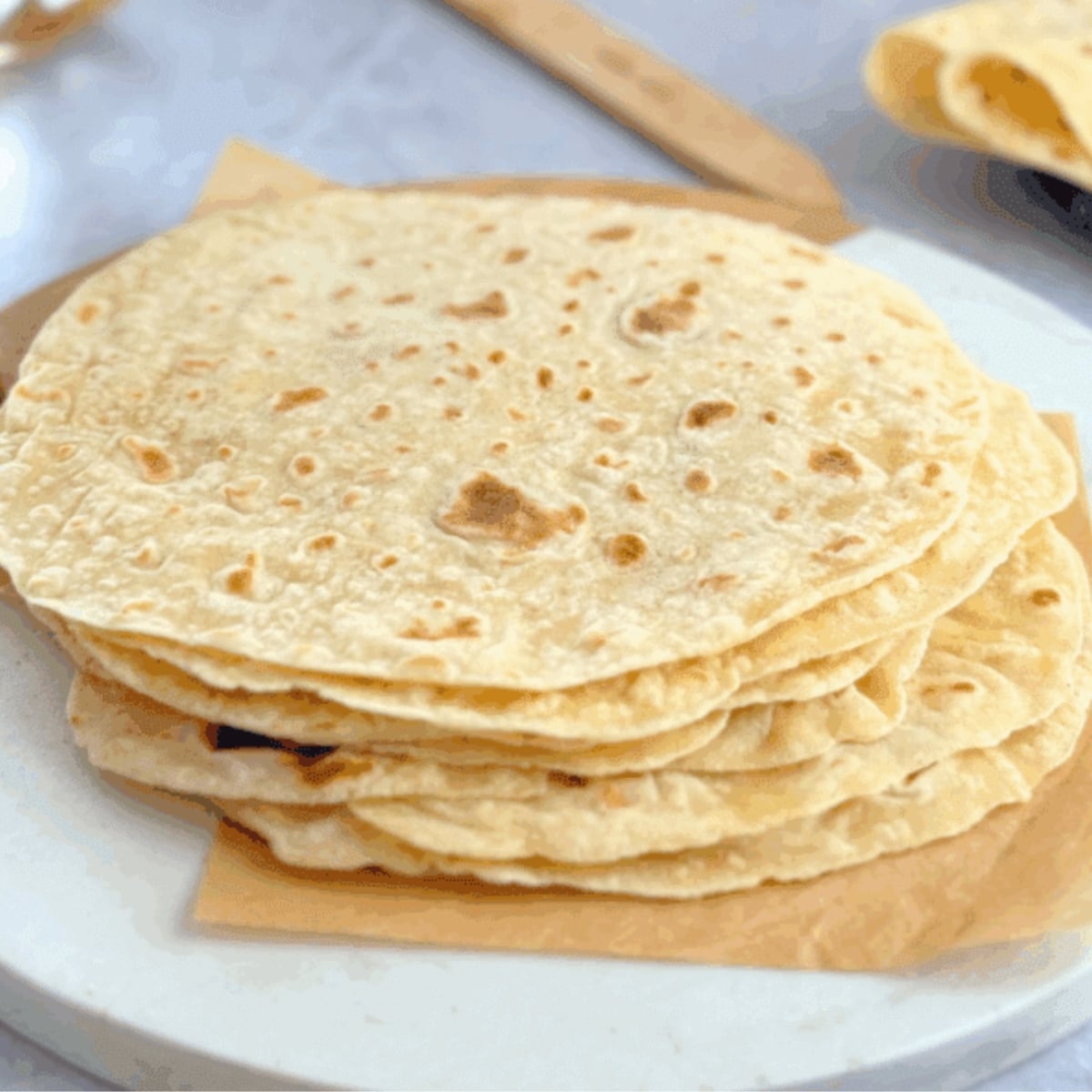
Storing your cooked flatbreads
Once they’ve cooled completely, here’s how to keep them soft and ready for snacking later
- Room temperature: Stack and store in an airtight container for up to 2 days. Great if you’re planning to use them soon.
- Refrigerator: Keep them in the fridge for up to 3 days. To reheat, pop one onto a dry skillet or toaster oven, this brings back the softness without drying them out.
- Freezer: Freeze cooked flatbreads in a stack with parchment between each one. Easy to seperate once frozen. Reheat straight from frozen in a dry pan or oven (no need to thaw first).
Recipe tips
- The dough may look dry and feel stiff at first—this is normal. Keep gathering, pressing and kneading it. The cottage cheese will gradually blend into the flour, and the dough will become soft and smooth.
- Roll them thin, but not paper-thin. Aim for about ⅛ inch (2–3 mm) thick. If they’re rolled too thin, they can become crisp instead of staying soft.
- Watch them while they cook. The 15–20 seconds per side is a guide because pans and stovetops vary. When bubbles form and light brown spots appear underneath, flip the flatbread. Cooking them for too long can make them dry and stiff.
- Keep them covered as you cook. Stack each cooked flatbread on a plate and cover with a clean kitchen towel or a double layer of paper towels to keep them soft.
- Add extra flavour. Mix a pinch of garlic powder, dried herbs or black pepper into the flour.
Recipe
2 Ingredient Cottage Cheese Flatbreads
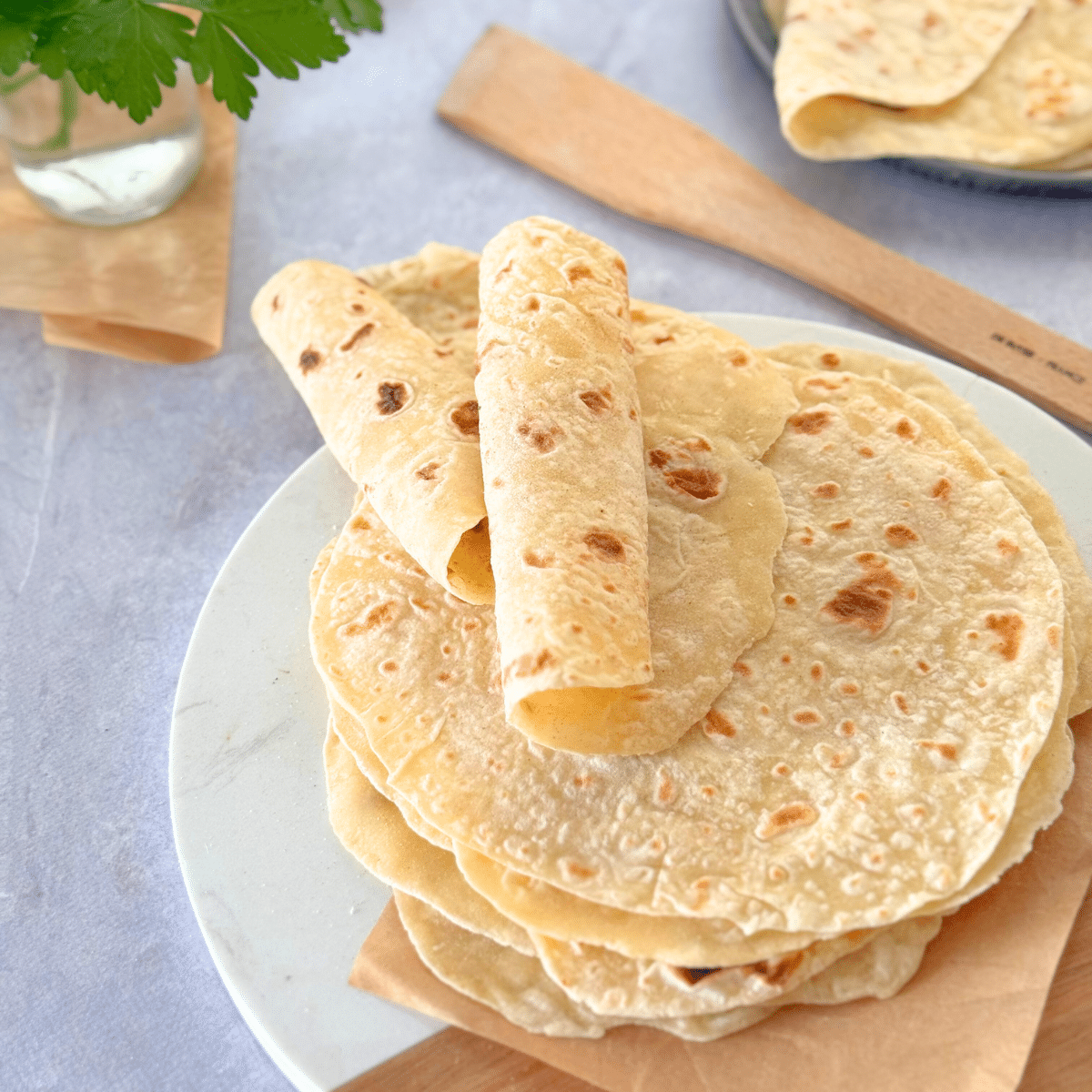
Watch how to make the recipe
- 1 cup + 1 tablespoon cottage cheese (250 g)
- 1¾ cups all-purpose flour or plain flour (220 g)
- ¼ teaspoon salt (optional)
Mash the cottage cheese
- Mash the cottage cheese with a fork to break up the larger curds. If it is very watery, pour off 1–2 teaspoons of liquid first.
Make the dough
- Add the cottage cheese, flour and salt, if using, to a large bowl. Mix until a shaggy dough forms.
- Knead the dough in the bowl for 3–4 minutes. It may seem dry at first, but keep gathering and pressing it together until the flour is fully incorporated and the dough feels soft and smooth.
Divide, roll and cook
- Divide the dough into 12 equal pieces and shape each piece into a ball.
- Roll each ball into a 7–8 inch (18–20 cm) circle, about ⅛ inch (2–3 mm) thick. Lightly flour the work surface as needed to prevent sticking.
- Heat a dry frying pan or skillet over medium heat. Place one flatbread in the hot pan and cook until bubbles form and light brown spots appear underneath, about 15–20 seconds. Flip and cook for another 15–20 seconds, until cooked through.
- Stack the cooked flatbreads on a plate and cover them as you cook to keep them soft.
If you use low-fat or fat-free, the values will vary slightly.
See what I’m making next
Come and join The Gardening Foodie Community where I share behind-the-scenes peeks, recipe updates and what I’m making next.
You can post photos of what you’ve made, ask questions, suggest recipes you’d like to see and enjoy a little garden-to-table inspiration too.
Want to try more easy flatbreads?
Here are a few that are just as simple and quick to make
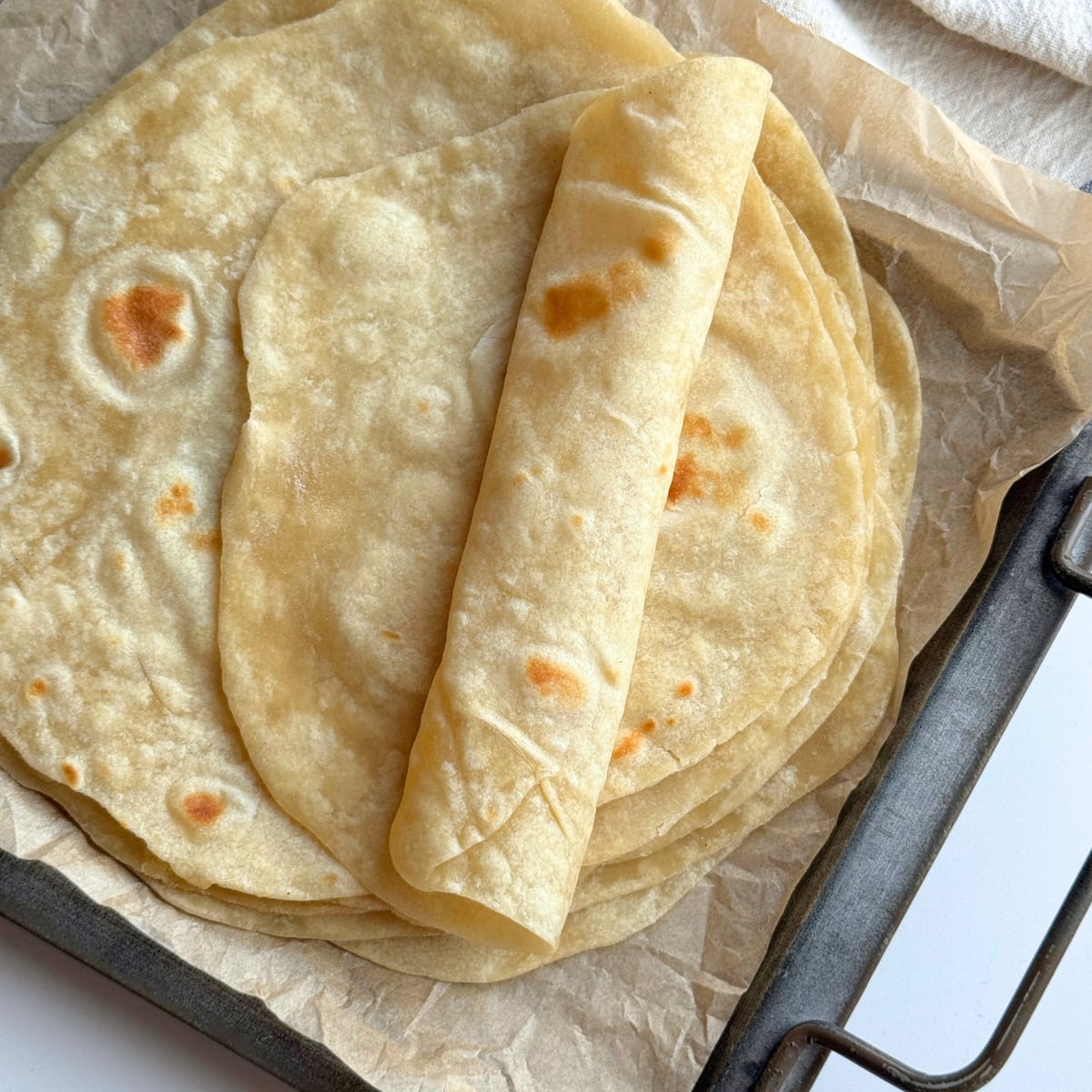
Easy Homemade Flour Tortilla Recipe

Crispy baked Italian Flatbread
Hungry for more?
Sign up for my free newsletter to get emails about new recipes .And don't forget to follow me on YouTube, Facebook, Pinterest, and Instagram for all the latest deliciousness




Leave a Reply